Can Seizures Elevate the Anion Gap?
What exactly is an Anion Gap?
The anion-gap value is a derived measurement from common blood tests that helps clinicians understand electrolytes and assess acid-base balance. It is particularly useful when evaluating metabolic acidosis, because it can point toward hidden acids in the bloodstream that are not directly measured on a usual blood chemistry panel or serum chemistry panel.
In basic terms, the anion gap compares measured positive charges, mainly sodium, with measured negative charges, mainly chloride and bicarbonate. If the gap is elevated, it usually means extra acid is present, or bicarbonate has been consumed while buffering acids in the body. That makes the anion gap a helpful diagnostic clue when reviewing blood test results.
The anion gap is not a final diagnosis by itself. It is a tool for clinical interpretation. A normal result does not rule out illness, and a high result does not automatically mean one specific condition. Instead, it helps focus the search for an underlying cause such as lactic acidosis, ketoacidosis, kidney disease, or toxin exposure.
An Anion Gap Calculator is used to make this calculation rapidly and consistently. It helps clinicians and readers understand whether a value is expected or whether there is an elevated anion gap that requires closer attention.
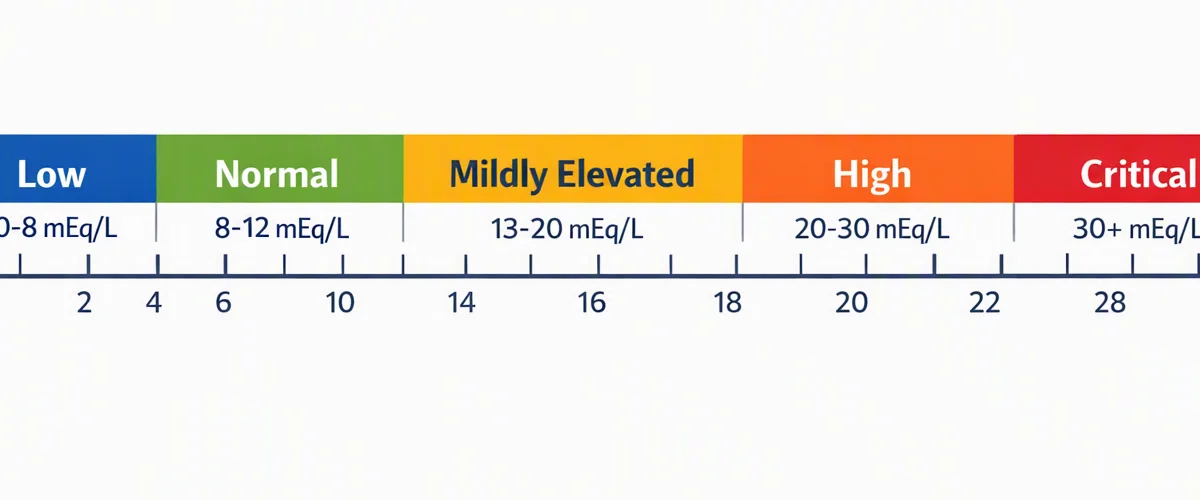
Can Convulsions Elevate the Anion Gap?
Indeed. A seizure can momentarily raise the anion gap, typically because of a burst in lactic acid formation during vigorous body-wide activity. This can result in anion gap metabolic acidosis that shows up soon after the event, especially if blood is drawn during the postictal state.
The main point is that this rise is often temporary. After a generalized seizure, muscles work forcefully and oxygen demand rises dramatically. If the body cannot compensate, it shifts toward oxygen-poor energy production, which boosts lactate. That lactate can produce a temporary high anion gap and a decreased bicarbonate level.
Not every seizure cause the same lab pattern. The size of the change depends on seizure duration, severity, whether there was associated breathing trouble, and how quickly the patient returns to baseline. A brief seizure may cause only a minor shift, while prolonged seizure activity or status epilepticus can trigger more marked abnormalities.
This is why the Anion Gap Calculator can be helpful after a seizure: it provides a organized way to evaluate whether the lab change matches a typical post-seizure pattern or whether it suggests a more serious metabolic problem.
How
The chief reason a seizure can raise the anion gap is low-oxygen metabolism. During seizure activity, the muscle tissue and brain use a large amount of energy very quickly. If oxygen delivery cannot match demand, cells rely more heavily on pathways that generate lactate. That process is a form of lactic acid formation associated with low tissue oxygen and an oxygen debt.
As lactate builds up, it contributes to lactate-related acidosis, a common cause of a metabolic disturbance with an elevated anion gap. The body’s acid-buffering system tries to neutralize the acid, often using bicarbonate. As bicarbonate falls, the measured gap can rise.
Hypoxia is not always severe or prolonged, but even brief oxygen shortage during intense physical muscle work can be enough to alter lab values. The combination of increased energy demand, transient oxygen mismatch, and rapid lactate generation explains why seizure-related lab changes often look like a temporary metabolic acidosis.
Other factors can contribute as well. Rapid breathing after a seizure, catecholamine surge, and dehydration may worsen the picture. But lactate is usually the main driver of the post-seizure elevated gap.
A seizure can create a short-term metabolic picture that looks alarming on labs, but the time course often helps distinguish a transient change from a dangerous https://anion-gap-calculation.com/calculators/anion-gap.html ongoing disorder.In what way does an Anion Gap Calculator Operate
An anion gap calculator applies the anion gap formula to estimate the difference between measured cations and anions. The standard version uses sodium, chloride, and bicarbonate from a chemistry panel.
The formula is simple:
Anion gap = sodium - (chloride + bicarbonate)
This formula is easy to apply because sodium, chloride, and bicarbonate are standard components of many lab panels. When the result is elevated, it may suggest there are unmeasured acids in the blood, which is why the result often gets discussed alongside metabolic acidosis.
For example, if sodium is high-normal and bicarbonate is low after a seizure, the calculated gap may rise even if chloride does not change much. That pattern can happen because bicarbonate is being consumed while buffering lactate and other acids.
The calculator is not designed to replace a clinician’s judgment. It is meant to support lab interpretation. The most useful approach is to look at the anion gap together with the full serum chemistry panel, blood gas data, symptoms, and the clinical story. That combination helps separate a typical post-seizure change from a different cause of high-gap acidosis.
Other Changes in Lab Values Post a Seizure
Following a seizure, several lab values may fluctuate temporarily. The most notable is often the lactate level, which can rise quickly and then fall as the body clears it. This is one reason post-seizure blood testing can show a picture of transient acid buildup rather than a chronic disorder.
A venous blood gas may show reduced bicarbonate or an low pH shortly after seizure activity. An arterial blood gas can also reveal acid-base abnormalities, especially if there was breathing impairment, prolonged convulsions, or poor oxygenation. Both tests help define the degree of metabolic acidosis and whether there is a respiratory component.
Serum bicarbonate often drops because it is used to buffer acid. That decrease can be a useful clue that the body recently experienced significant acid load. In some cases, the bicarbonate normalizes quickly as the postictal state resolves and lactate is metabolized.
These changes can be part of normal recovery after seizure activity, but they should always be interpreted in context. A mild abnormality that gets better with time is different from persistent acidosis or worsening symptoms.
When a Elevated Anion Gap Is Worrisome
While a seizure can cause a brief elevation, a ongoing high anion gap should not be considered to be benign. The list of causes includes serious causes of metabolic acidosis such as diabetic ketoacidosis, renal failure, and toxic alcohol ingestion.
They are significant because they can cause continued acid retention rather than a temporary post-seizure change. For example, diabetic ketoacidosis often comes with hyperglycemia, dehydration, and ketosis. Renal failure can reduce acid clearance. Toxic alcohol ingestion can create a dangerous metabolic profile that requires immediate treatment.
This is why clinicians do not rely on the anion gap alone. They also review glucose, kidney function, ketones, osmolar gap when relevant, and the overall pattern of electrolyte imbalance. If the blood gas shows continued acidosis or the patient remains ill, the cause may be a more severe problem than seizure recovery.
Put simply, the elevated gap may be a post-seizure effect, but it can also be a diagnostic clue pointing to a separate underlying problem. The distinction depends on the clinical picture and the course over time.
How Long the Anion Gap Stays High After a Seizure
The length of time depends on postictal lactate clearance, the severity of the seizure, and the patient’s overall health. In many cases, the time course is limited, and the gap starts improving as the patient enters clinical recovery. Lactate is often removed relatively quickly once oxygen delivery and circulation settle.
Since the increase is typically short-lived, repeat labs are often helpful. If the anion gap decreases and bicarbonate gets better over a short interval, that favors a post-seizure explanation. If the gap stays elevated, worsens, or is accompanied by ongoing symptoms, another cause should be evaluated.
This is one of the most useful roles of the Anion Gap Calculator is that it helps track whether the numbers fit the expected post-seizure pattern. A single elevated result matters less than the direction. When the patient is awake, improving, and the labs are normalizing, the temporary increase is more likely to be part of the post-seizure physiology.
If the patient remains altered, short of breath, or unstable, the story changes. Persistent abnormalities indicate a larger metabolic issue that needs further workup.
When to Seek Medical Care
Medical care is urgent when seizure activity is lasting too long or when the patient does not return to baseline. Status epilepticus is a medical emergency because continuous or repeated seizure activity can worsen hypoxia, acidosis, and systemic stress.
Seek emergency evaluation if there is ongoing confusion, trouble breathing, cyanosis, repeated seizures, or failure to recover as expected. Shortness of breath after a seizure can signal respiratory compromise, aspiration, or another serious problem rather than a simple postictal state.
A high anion gap should also prompt urgent care if there are signs of diabetic ketoacidosis, toxic exposure, kidney failure, or severe dehydration. The concern is not just the number itself, but what it may represent. The lab value is a signal that should be interpreted with the symptoms, the blood gas, and the overall status.
When in doubt test again and quick clinical review are the best next actions. A mix of seizure recovery, lab trends, and symptom improvement typically indicates whether the result was brief or dangerous.
FAQ: Seizures and the Anion Gap
Can a seizure cause a high anion gap?
Yes. A convulsion may cause a temporary increase in the anion gap, usually from lactate buildup during vigorous seizure activity and the postictal state. This is a form of lactic acidosis and may appear as an elevated anion gap on a serum chemistry panel.
How high can the anion gap get after a seizure?
It may increase enough to look clearly abnormal, but the exact value depends on seizure duration, muscle activity, oxygen delivery, and how soon the blood was drawn. The Anion Gap Calculator helps with lab interpretation, but the trend over time and the clinical picture are more relevant than one isolated number.
How long does a seizure-related anion gap stay elevated?
Typically it is short-lived and improves as postictal lactate clearance occurs and clinical recovery begins. Repeat testing often shows improvement over a short time course. If the elevated anion gap persists, another underlying cause should be considered.
What labs usually change after a seizure?
The typical changes include a higher lactate level, lower serum bicarbonate, and abnormalities on venous blood gas or arterial blood gas testing. Sodium and chloride may be reviewed as part of the serum chemistry panel, because they are used in the anion gap formula.
When should a high anion gap after a seizure be evaluated urgently?
Urgent evaluation is needed if there is status epilepticus, confusion that does not improve, shortness of breath, persistent acidosis, or concern for diabetic ketoacidosis, renal failure, or toxic alcohol ingestion. Repeat labs and clinical assessment help determine whether the elevated anion gap is just post-seizure or something more serious.